
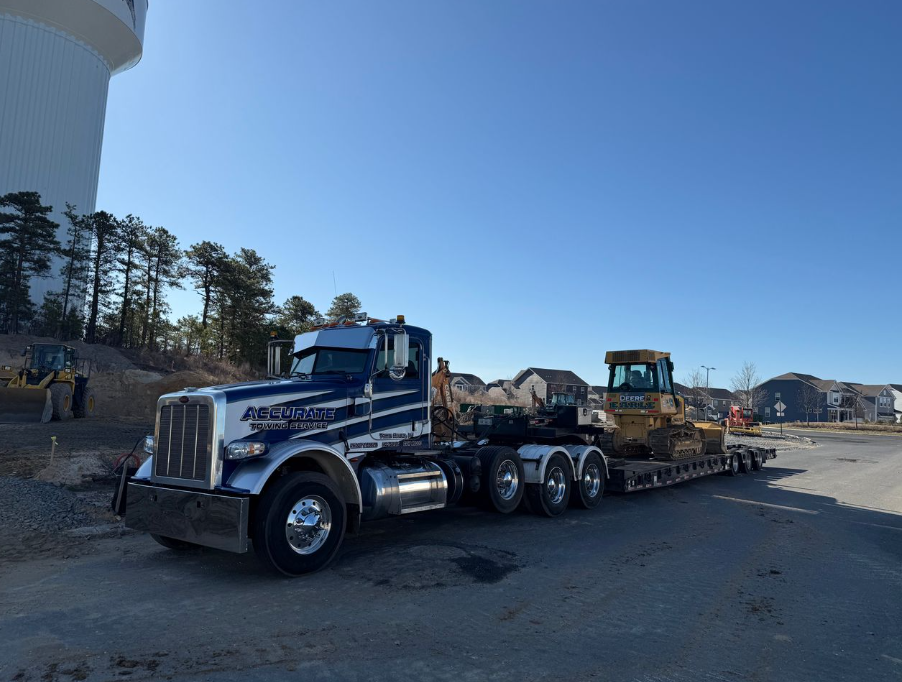
Moving large machinery between job sites requires more planning than standard transportation. Oversized loads can present challenges involving weight, dimensions, loading, route selection, and securement. Professional heavy equipment hauling provides businesses with the specialized equipment and experience needed to move these valuable assets safely from one location to the next.
Understanding what goes into a heavy haul can help business owners plan ahead and see why experienced professionals should handle these moves.
What’s Involved in Heavy Equipment Hauling?
Heavy equipment hauling is the transportation of machinery and equipment that cannot be moved using conventional towing or standard transportation methods. This can include construction machinery, agricultural equipment, industrial equipment, and other large or unusually shaped loads.
Equipment weight is only one consideration. Its height, width, length, ground clearance, and weight distribution can all influence how it should be transported. These factors help determine the appropriate trailer type and whether the load is considered oversized or overweight.
Specialized trailers such as lowboys, Landolls, and flatbeds provide options for different transportation needs. A towing service experienced in heavy equipment hauling can evaluate the load and determine the best trailer and other equipment to transport it safely.
The Challenges of Heavy Equipment Hauling
Moving a large piece of machinery presents challenges that do not exist with an ordinary tow. Each heavy equipment hauling job needs to be evaluated individually based on the equipment, pickup and delivery locations, and route.
Choosing the Appropriate Trailer
The trailer must suit both the size and weight of the machinery being moved. A piece of equipment may physically fit on a trailer but still exceed its rated capacity or create other transportation concerns.
Lowboy trailers have a lower deck height that can be useful for taller equipment. Landolls and flatbed trailers offer additional options depending on the machinery and loading requirements. An experienced towing and hauling company can evaluate the equipment before selecting the appropriate transportation method.
Loading, Weight Distribution, and Securement
Loading heavy equipment requires adequate space and stable ground. Depending on the machinery, it may be driven onto the trailer or require another loading method. Non-operational machinery or oddly shaped loads may require overhead lifting or external pulling to load.
Once aboard, proper positioning is critical. Uneven weight distribution can affect braking, steering, and trailer stability. Equipment must also be secured appropriately to prevent movement during transportation.
Depending on the load, preparation may include:
- Securing movable components: Booms, buckets, blades, doors, and other moving parts may need to be lowered, locked, or independently secured.
- Using appropriate securement equipment: Properly rated chains, binders, straps, and securement points help keep machinery in position.
- Checking for loose materials: Remove tools, debris, and other unsecured objects before transportation.
- Inspecting the load: Check the equipment and its securement before the truck leaves the pickup location.
These steps help prepare the machinery for safe transport and delivery to the next jobsite.
Planning a Suitable Route
Route planning becomes particularly important when transporting oversized equipment. The quickest way to the next jobsite may not be suitable for the truck, trailer, and load.
Several potential obstacles need to be considered when planning a route:
- Low bridges and overhead obstacles that may not provide sufficient clearance
- Weight-restricted roads or bridges that cannot accommodate the load
- Narrow roads and tight turns that make maneuvering a large trailer difficult
- Construction zones that introduce lane restrictions, closures, or detours
- Road and weather conditions that can affect the safety of the trip
Planning around these issues before departure can help prevent unnecessary delays and complications along the way.
Permits and Oversized Load Requirements
Depending on its dimensions, weight, route, and jurisdiction, a load may be subject to oversized or overweight transportation requirements. Permits may be necessary, and certain loads may have additional restrictions regarding routes or travel.
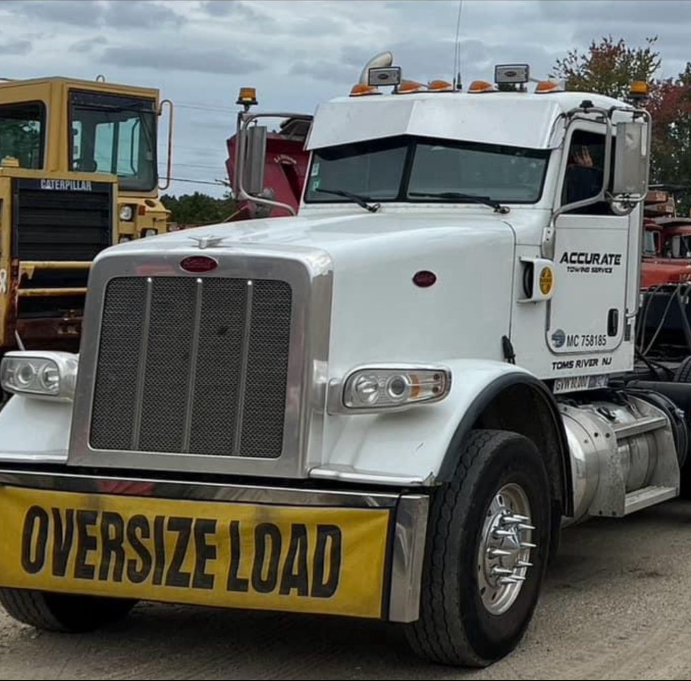
Requirements can also affect whether signage, escort vehicles, or other measures are needed. Determining what applies to a particular haul should be part of the planning process rather than something addressed once the machinery is already on the road.
Preparing Equipment Before the Move
Business owners can also help prepare for heavy equipment hauling before the transportation company arrives. Providing accurate information about the equipment and both job sites makes it easier to determine what will be required.
Equipment dimensions and approximate weight should be identified in advance. Any attachments that affect the machinery’s overall dimensions should also be considered.
Access at the pickup and delivery locations is another important consideration. The hauling vehicle needs enough room to enter the property, position the trailer, load or unload the equipment, and leave safely. Ground conditions should also be suitable for the weight of the truck, trailer, and machinery.
Before transportation, detachable items should be removed and movable components properly positioned. Any known leaks or equipment conditions that could affect transportation should also be communicated to the hauling company.
Why Leave Heavy Equipment Hauling to the Experts?
When transporting valuable machinery weighing thousands of pounds, it isn’t the time to improvise or consider DIY methods. Professional heavy equipment hauling combines specialized towing equipment with the experience needed to plan and execute the move correctly.
Experienced professionals can assess the machinery and determine which trailer is appropriate rather than attempting to make an unsuitable trailer work. They also understand how equipment should be positioned and secured, and what needs to be considered when planning the route.
Professional hauling can also help businesses avoid preventable disruptions. Discovering that a bridge is too low, a road cannot accommodate the load, or a delivery site is inaccessible after transportation has begun can lead to significant delays.
For business owners, leaving the haul to professionals also means their team can remain focused on the job itself rather than trying to manage a specialized transportation operation.
Need Heavy Equipment Hauling?
Choose Accurate Towing Service for your next heavy haul. We understand that when a business needs equipment moved, getting it to the next jobsite safely and efficiently is an important part of keeping the project moving. We have provided towing, hauling, and recovery services in New Jersey since 1987, and our trained, certified professionals are equipped to handle transportation needs involving vehicles and heavy equipment.
Our fleet includes Lowboys, Landolls, and Flatbed Trailers, allowing us to select equipment based on the load requirements. We approach heavy equipment hauling with careful planning from pickup through delivery, considering the equipment, route, and jobsite conditions.
Contact Accurate Towing Service to discuss your heavy hauling needs and determine the right transportation solution for your equipment.

Heavy Equipment Hauling FAQs
What is considered heavy equipment hauling?
It involves transporting large, heavy, or unusually shaped machinery that requires specialized towing or hauling equipment.
What types of trailers can be used to transport heavy equipment?
Depending on the load, transportation may involve lowboy trailers, Landolls, flatbeds, or other appropriately rated equipment.
Why does equipment need to be measured before transportation?
Its height, width, length, weight, and configuration help determine the appropriate trailer and transportation requirements.
Why is route planning necessary for oversized equipment
Low bridges, weight restrictions, narrow roads, tight turns, construction zones, and overhead obstacles can affect which routes are suitable.
Do oversized loads require permits?
They may. Permit requirements depend on factors including the load’s dimensions and weight, the route, and the jurisdiction.
What should a business prepare before the hauling company arrives?
Address equipment information, pickup and delivery access, movable components, loose items, and known equipment conditions before transportation.
Why hire a professional heavy equipment hauler?
Professionals have the specialized equipment and experience needed to select the right trailer, secure the load, plan the route, and safely manage transportation.